
Ebola Outbreak 2026: Steaming Ahead with Public Health Measures
The CDC is addressing a rapidly growing Ebola outbreak caused by the Bundibugyo virus in the Democratic Republic of the Congo (DRC) and Uganda. With no cases currently reported in the United States, public health officials continue to monitor and implement strict measures to prevent any spread.
Ebola Outbreak 2026: Current Situation
#### Overview
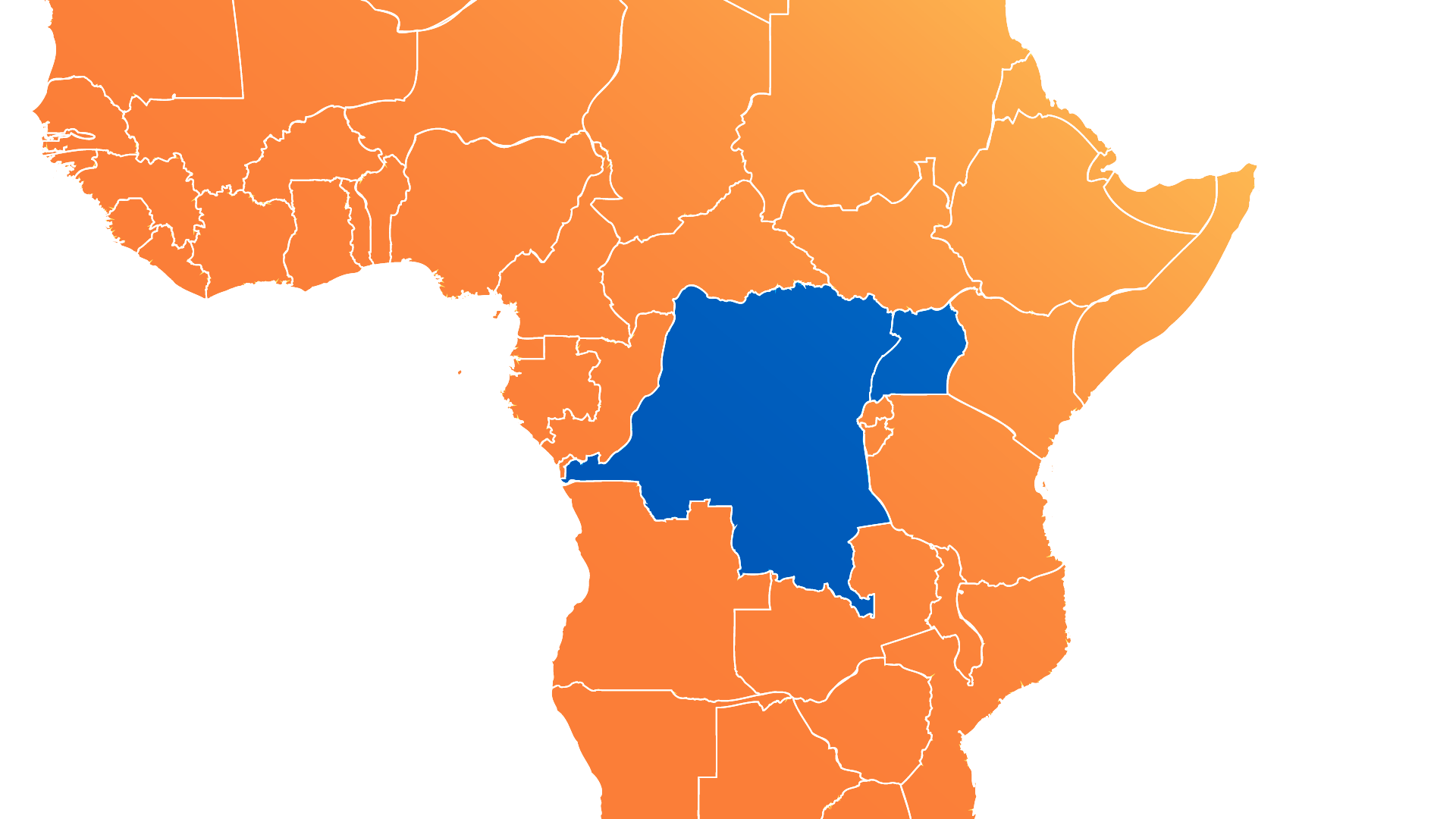
The Centers for Disease Control and Prevention (CDC) is responding to a significant Ebola outbreak, the second-largest on record, caused by the Bundibugyo virus in northeastern DRC and Uganda's capital, Kampala. This outbreak has demonstrated a rapid spread, surpassing 1,000 confirmed cases within 40 days, a stark contrast to the 2018 DRC outbreak, which took 235 days to reach similar numbers.
#### Key Points
- **Regions Affected:** Haut-Uele, Ituri, Nord-Kivu, Sud-Kivu, and Tshopo provinces in DRC.
- **Current Statistics:** As of August 11, 2026, DRC has reported 4,566 confirmed cases and 2,128 confirmed deaths. Uganda reports 20 confirmed cases and 2 deaths, with one case confirmed in France.
- **Challenges:** Limited healthcare infrastructure, conflict-related security issues, healthcare personnel vulnerabilities, misinformation, and distrust in authorities create formidable obstacles to controlling the outbreak.
- **Risk to the United States:** The likelihood of Ebola spreading to the U.S. remains low, thanks to robust public health systems and infection control measures. As a precaution, travelers from affected regions face entry restrictions to the U.S.
#### CDC Response
Approximately 400 CDC personnel, including 120 deployed experts, are collaborating internationally and within the U.S. to manage the outbreak's impact. The agency is actively implementing travel restrictions and advocating for enhanced precautions for travelers to the affected regions.
#### Recommendations for Travelers
- **Avoid Travel:** It is advised to avoid all travel to Ituri and Nord-Kivu provinces.
- **Enhanced Precautions:** Travelers to other parts of the DRC and Uganda should exercise increased caution and monitor for symptoms of Ebola for 21 days post-travel.
[**Read More:** Ebola Outbreak: What CDC is Doing](https://www.cdc.gov/ebola/situation-summary/what-cdc-is-doing.html)
Reviewed by Ebola.ai Data Integrity Desk
This dispatch was programmatically verified against dynamic, corroborated primary intelligence signals and curated by our specialized computational epidemiology infrastructure to eliminate hallucination vectors before distribution.