Ebola Outbreak in East and Central Africa: U.S. Response and Current Risks
The CDC is actively responding to an Ebola outbreak in the Democratic Republic of the Congo and Uganda, caused by the Bundibugyo virus. While the risk to the U.S. remains low, measures are in place to prevent the virus from entering the country.
# Ebola Outbreak in East and Central Africa: U.S. Response and Current Risks
Overview
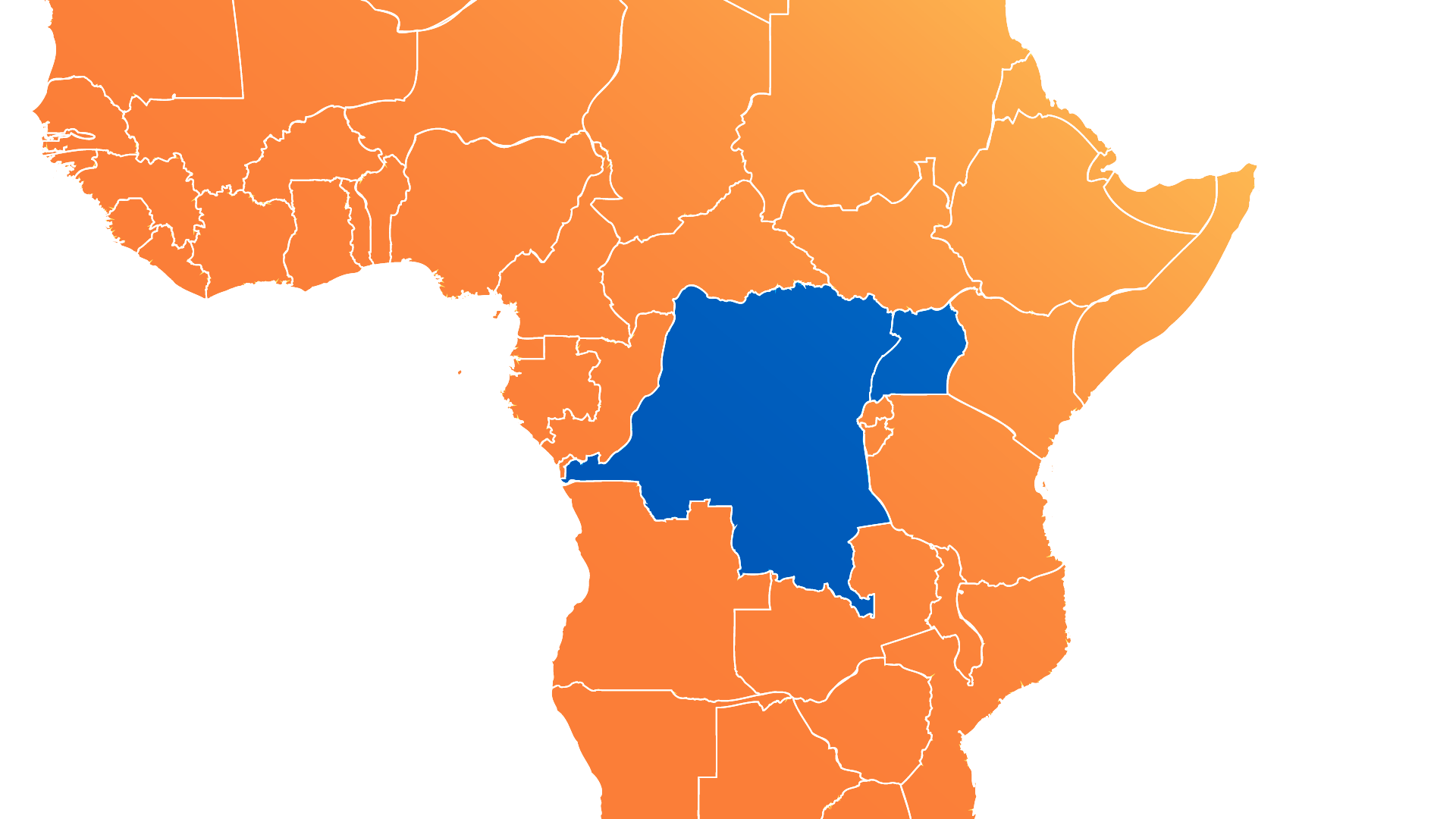
As of June 16, 2026, the Centers for Disease Control and Prevention (CDC) is actively responding to an outbreak of Ebola disease attributed to the Bundibugyo virus occurring in remote areas of the Democratic Republic of the Congo (DRC) and Uganda. Significantly, no cases have been reported in the United States stemming from this outbreak, and the risk to the American public remains low.
Situation Analysis
Risk Assessment to the U.S.
To date, no cases associated with the current outbreak have been diagnosed in the United States, and the overall risk to the general public is generally considered low. This assessment remains despite the considerable number of cases in DRC.
Travel Advisories and Measures
In response to the outbreak, the CDC has issued a Level 3 Travel Health Notice advising against non-essential travel to affected provinces in DRC: Ituri, Nord-Kivu, and Sud-Kivu. Travelers to DRC and Uganda are advised to take precautions against Ebola exposure and monitor their health for 21 days post-travel. Enhanced travel screening and entry restrictions have been implemented to mitigate the risk of the virus entering the U.S. territory.
Current Data
- **DRC**: As of June 15, 837 confirmed cases with 196 confirmed deaths.
- **Uganda**: As of June 16, 19 confirmed cases with 2 confirmed deaths.
Outbreak Response
The CDC is committed to collaborating both internationally and domestically to quell this outbreak. Notably, a recovered American citizen who was infected while conducting humanitarian work in DRC signifies the effectiveness of cross-border medical response efforts.
Disease Background
The Bundibugyo virus, one of the orthhoebolaviruses responsible for Ebola disease in humans, has no available vaccine. Management is primarily supportive – addressing symptoms such as fever, severe weakness, and bleeding complications.
Strategies and Projections
Projections by the CDC suggest immediate, robust public health interventions are crucial to control the outbreak. While the potential for the virus to spread to the United States remains minimal, continuous assessment and strategic preparedness are vital.
For travelers and residents alike, no immediate changes in daily activities are warranted unless directly related to the affected regions.
Conclusion
This ongoing situation underscores the necessity for international cooperation and the preparedness of health systems in response to global health crises. The CDC continues to monitor developments closely and provides updated public health guidance.
Further Information
- [Ebola: What to Do After Travel](https://www.cdc.gov/ebola/travel/index.html)
- [Current Situation](https://www.cdc.gov/ebola/situation-summary/index.html)
- [History of Ebola Outbreaks](https://www.cdc.gov/ebola/outbreaks/index.html)
---
This dispatch utilizes resources from the National Center for Emerging and Zoonotic Infectious Diseases (NCEZID).
Reviewed by Ebola.ai Data Integrity Desk
This dispatch was programmatically verified against dynamic, corroborated primary intelligence signals and curated by our specialized computational epidemiology infrastructure to eliminate hallucination vectors before distribution.