Ebola Outbreak in Congo Sparks Global Health Concerns
A fierce Ebola outbreak in eastern Congo raises alarms among global health experts as it spreads rapidly, resulting in numerous cases and deaths amid escalating local conflict.
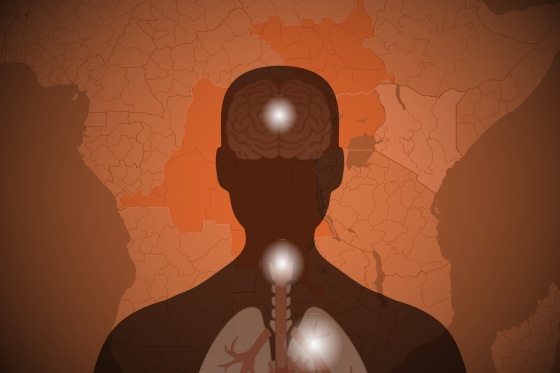
The ongoing Ebola outbreak in eastern Democratic Republic of the Congo has startled global public health experts with its rapid spread in the remote, heavily populated region. Since the World Health Organization (WHO) declared a public health emergency in mid-May, hundreds of confirmed cases and dozens of deaths have been attributed to the Bundibugyo species of the virus.
While international health workers expedite efforts to contain the epidemic spreading in Congo, there is growing opposition to the Trump administration's decision to quarantine Americans exposed to the virus in Kenya, a nation without recorded Ebola cases. Violent protests have ensued in Kenya, particularly in Nanyuki, where a 50-bed quarantine facility is planned. A Kenyan court has extended a temporary suspension on the plan, igniting diplomatic tensions.
In the interim, U.S. policy remains that American Ebola sufferers needing medical care would be sent to Europe. An American surgeon recently contracted the virus while treating patients in Congo's Ituri province and was evacuated to Germany for treatment.
WHO Director-General Tedros Adhanom Ghebreyesus highlights the potential for the virus to spread further due to regional conflict and the area's extensive mining activities that entail substantial population movement. The current outbreak is reminiscent of the world's deadliest Ebola crisis in 2014 across Guinea, Sierra Leone, and Liberia, which resulted in over 11,300 fatalities.
Ebola, not airborne, spreads via blood, saliva, and other bodily fluids, presenting risks in treating and handling victims. The virus, causing hemorrhagic fever, critically affects the blood vessels and internal organs. Key symptoms include fever, headache, sore throat, fatigue, and muscle aches.
Despite ongoing research, no vaccine or treatment is available for the Bundibugyo strain. The WHO notes that two vaccine candidates exist but neither has reached human testing phases yet.
With the Bundibugyo outbreak being only the third such incident since the strain's discovery less than two decades ago in western Uganda, efforts pivot towards understanding and eliminating the virus's suspected origination from African fruit bats.
Reviewed by Ebola.ai Data Integrity Desk
This dispatch was programmatically verified against dynamic, corroborated primary intelligence signals and curated by our specialized computational epidemiology infrastructure to eliminate hallucination vectors before distribution.