Rapidly Escalating Ebola Outbreak in Congo Raises Global Alarm
The ongoing Ebola outbreak in eastern Democratic Republic of the Congo is causing unprecedented alarm among global health experts due to its rapid spread and significant international implications.
Overview
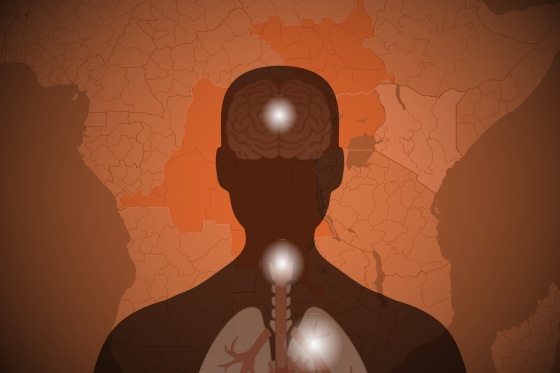
The current Ebola outbreak in the eastern Democratic Republic of the Congo is causing significant concern among global health experts. Since the World Health Organization (WHO) declared a public health emergency in mid-May 2026, the ferocity of the spread in the remote, densely populated region has resulted in hundreds of confirmed cases and dozens of deaths caused by the Bundibugyo strain of the virus.
International Response and Controversy
In response to the crisis, international health workers are urgently trying to contain the outbreak. Meanwhile, controversy has arisen over the U.S. administration's strategy to send exposed Americans to a quarantine facility in Kenya—a country with no current Ebola cases. This plan has sparked protests and legal action in Kenya, leading to a temporary suspension of the facility's setup at Laikipia Air Base.
High-level U.S. officials have announced that if further American citizens contract Ebola, they will potentially receive medical treatment in Europe rather than being flown back to the United States, citing the recent evacuation of an American surgeon to Germany as precedent.
Spread and Risks
According to WHO Director-General Tedros Adhanom Ghebreyesus, the risk of the Ebola outbreak spreading to neighboring regions and countries is heightened by ongoing conflicts and the area's status as a mining zone with extensive population movement. Although Ebola is not a respiratory virus, making far-reaching airborne spread unlikely, it can easily be transmitted through contact with infected bodily fluids or contaminated surfaces.
Historical Context
The world’s deadliest Ebola outbreak occurred in 2014 in West Africa, affecting Guinea, Sierra Leone, and Liberia, leading to over 11,300 deaths. The current outbreak involves the Bundibugyo species, discovered less than two decades ago in Uganda, making it the third identified outbreak caused by this strain. Notably, this virus differs from the Zaire virus, known for its high lethality.
Current Challenges
Presently, no specific vaccine or treatment exists for the Bundibugyo virus, although WHO has noted two potential vaccine candidates, neither of which has undergone human testing. Experts predict African fruit bats may be the virus's reservoir, but more research is necessary to confirm this link.
For continuous updates and additional reporting on the Ebola outbreak, tune into NBC News' ongoing coverage.
[Add NBC News to Google](https://www.google.com/preferences/source?q=nbcnews.com)
Reviewed by Ebola.ai Data Integrity Desk
This dispatch was programmatically verified against dynamic, corroborated primary intelligence signals and curated by our specialized computational epidemiology infrastructure to eliminate hallucination vectors before distribution.