Ebola Outbreak Expands in East and Central Africa: Latest Developments
The ongoing Ebola outbreak caused by the Bundibugyo virus in Democratic Republic of the Congo (DRC) and Uganda continues to unfold, with no immediate risk to the United States, according to the CDC. As of June 2026, significant public health measures are enforced to prevent its spread, while new case data indicate the evolving situation's severity in Africa.
Current Situation: Ebola Outbreak
Overview
As of mid-June 2026, the CDC is actively responding to an Ebola outbreak in remote regions of the Democratic Republic of the Congo (DRC) and Uganda, traced to the Bundibugyo virus, a strain with no existing vaccine. The United States has reported no associated cases, maintaining a low risk level for both the public and travelers.
Geographic Impact
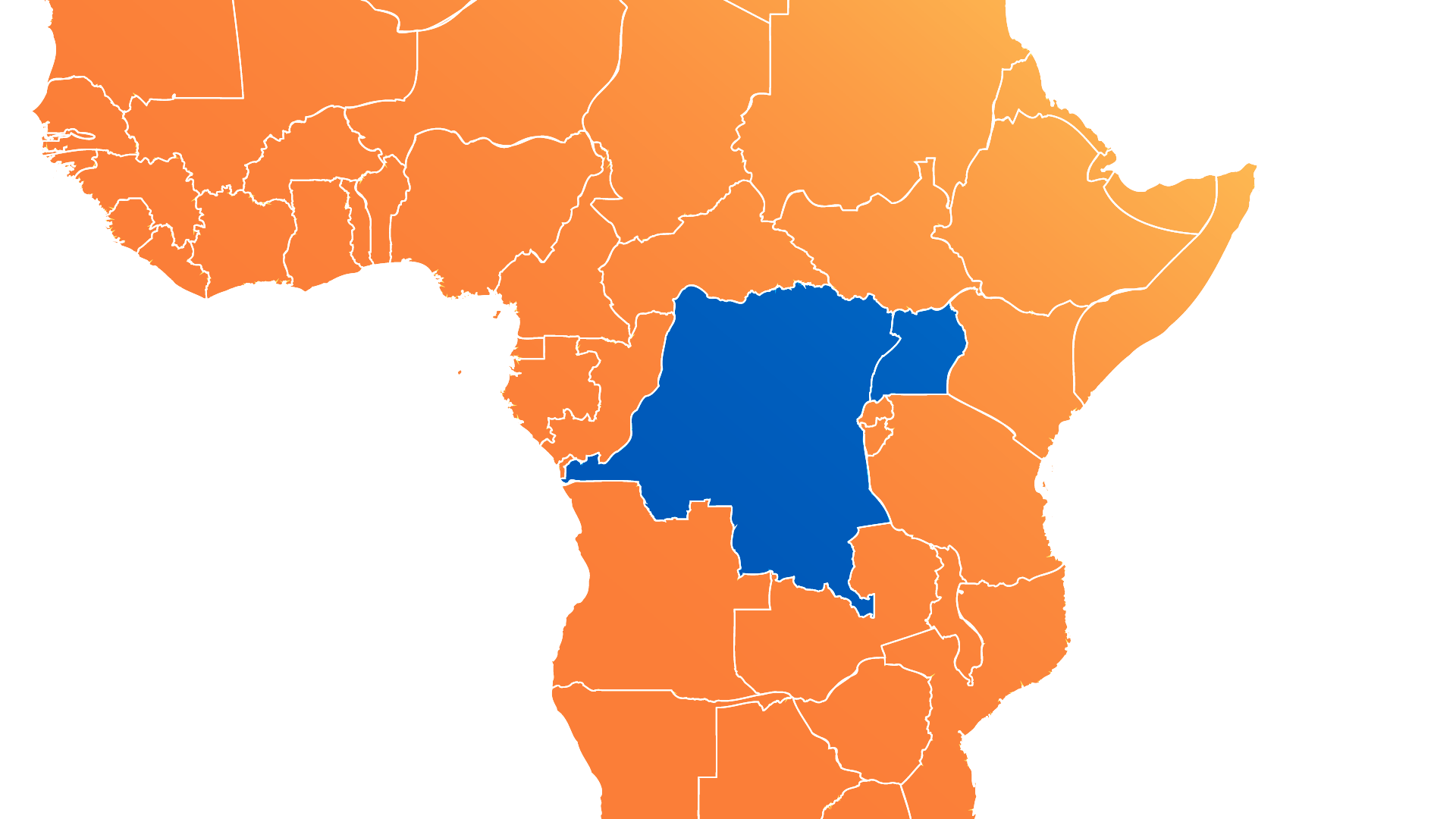
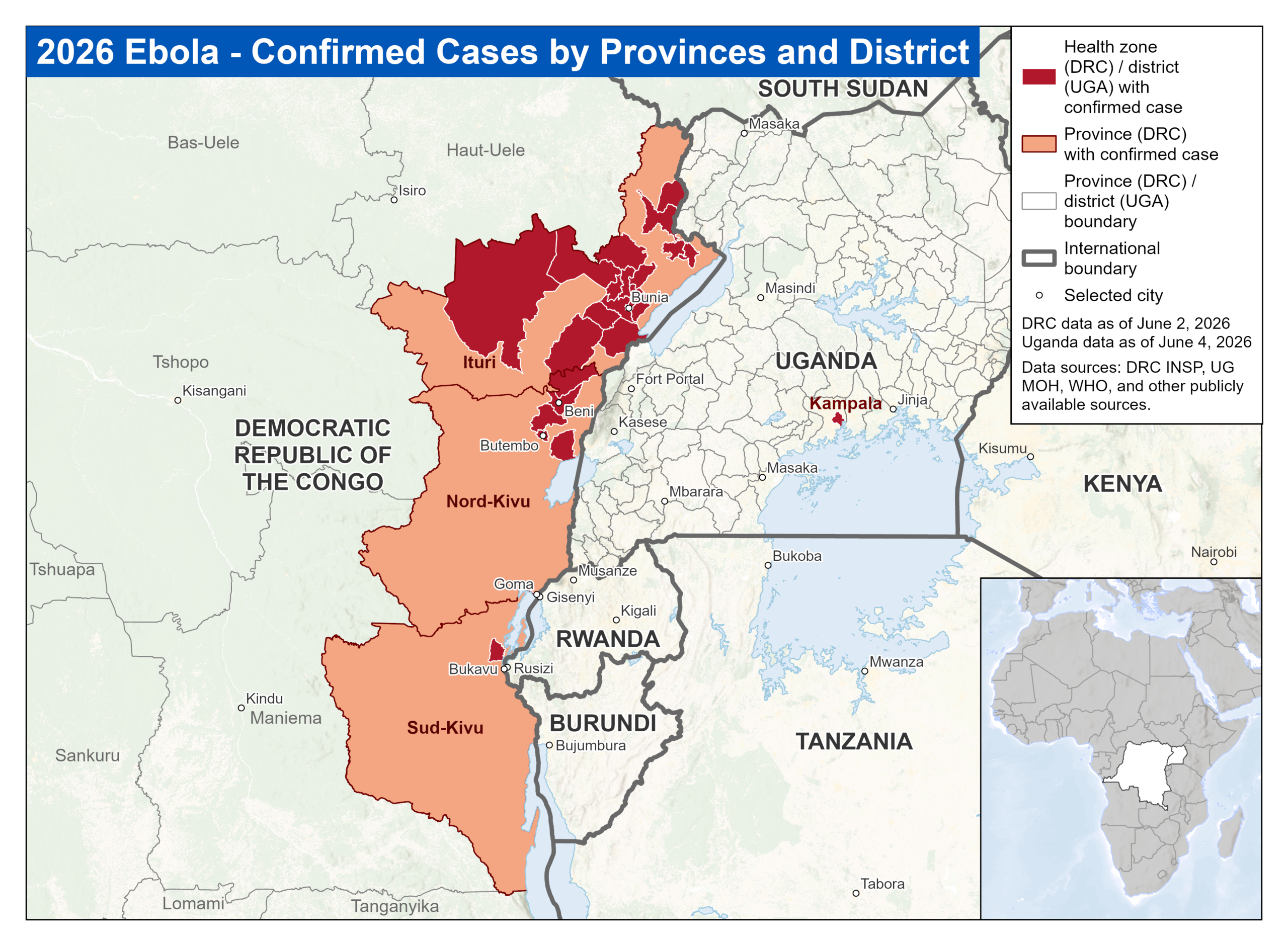
- **Democratic Republic of the Congo (DRC):** With 837 confirmed cases and 196 fatalities, the outbreak is primarily concentrated in Ituri, Nord-Kivu, and Sud-Kivu provinces.
- **Uganda:** Reports include 19 confirmed cases and two fatalities, with several cases in the capital, Kampala.
Health Precautions
The CDC has issued Travel Health Notices advising cautionary steps and has imposed entry restrictions and public health measures. Travelers from affected zones are subject to rerouted travel through designated U.S. airports equipped for enhanced screening.
Risk Assessment
According to CDC evaluations, transmission risk to the United States is low, supported by stringent public health and infection control measures. Despite the significant case numbers in affected African regions, the probability of cross-border spread remains minimal.
CDC Actions and Recommendations
Strategies deployed include international coordination and support for affected areas. Americans are advised to maintain usual routines, barring non-essential travel to impacted locales. Individuals recently visiting outbreak regions are guided to monitor health symptoms closely for 21 days post-travel.
Historical Context
This outbreak, caused by Bundibugyo virus, surpasses previous incidences in both scale and impact, marking it as the largest of its kind. With death rates in prior outbreaks ranging up to 55%, the current situation demands robust international public health interventions.
For further information on preventative practices and updates: [CDC Ebola Outbreak Management](https://www.cdc.gov/ebola/situation-summary/index.html).
Reviewed by Ebola.ai Data Integrity Desk
This dispatch was programmatically verified against dynamic, corroborated primary intelligence signals and curated by our specialized computational epidemiology infrastructure to eliminate hallucination vectors before distribution.