Ebola Outbreak Update: Urgent Developments from Africa
An escalating Ebola outbreak caused by the Bundibugyo virus is currently sweeping through the Democratic Republic of the Congo and Uganda, marking the second-largest outbreak on record due to its rapid transmission. Despite its intensity, the risk to the U.S. public remains low, with no cases confirmed domestically.
# Ebola Outbreak Update: Urgent Developments from Africa
The Centers for Disease Control and Prevention (CDC) is actively responding to a swiftly escalating outbreak of the Ebola virus, specifically the Bundibugyo strain, currently affecting the Democratic Republic of the Congo (DRC) and Uganda. This outbreak, which began in the remote northeastern region of the DRC, has now become the second-largest in recorded history due to its accelerated spread.
Recent Developments
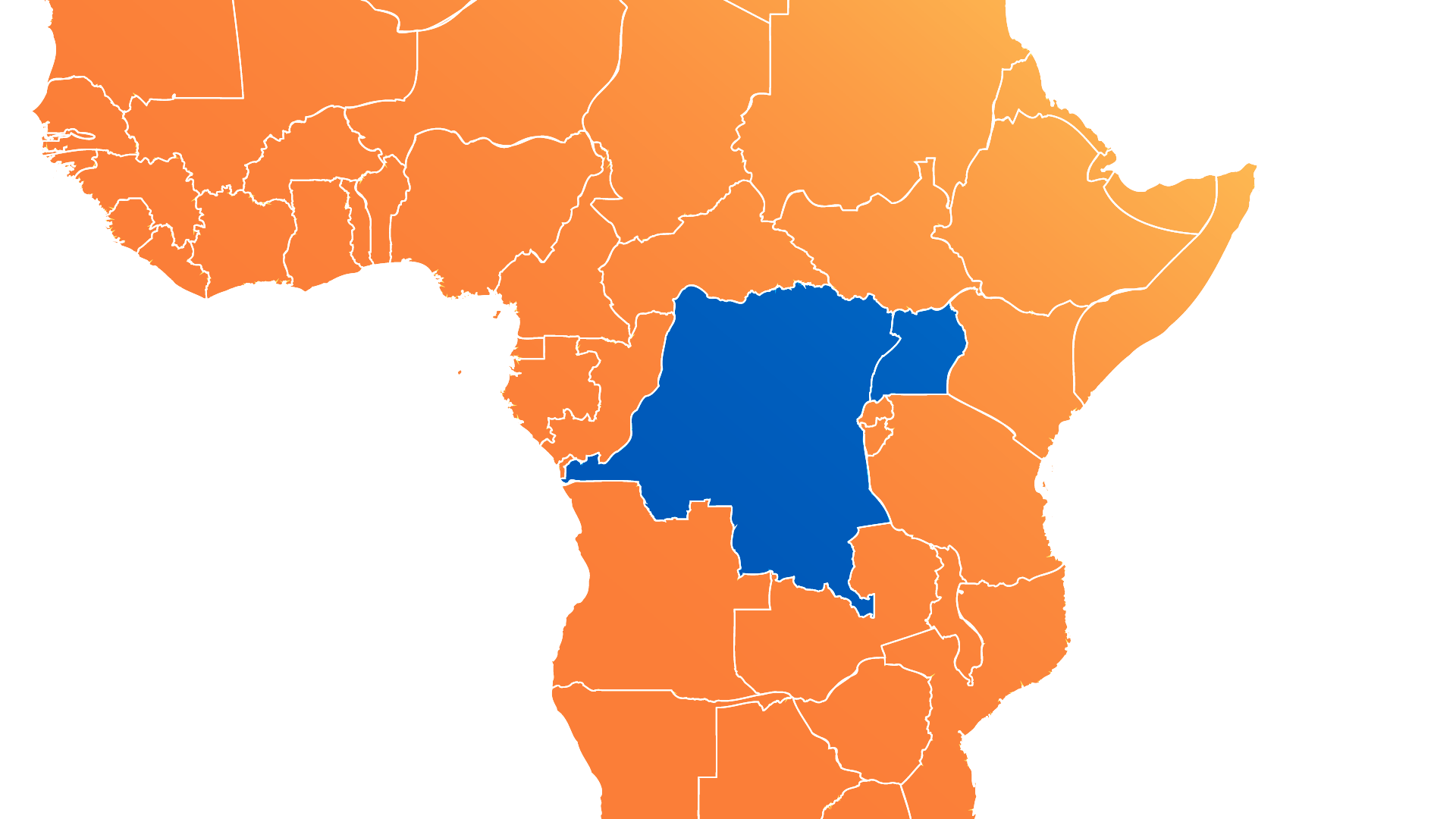
- **Extent of Outbreak**: Confirmed cases have surged past 5,200 with over 2,470 confirmed deaths. A critical factor in the transmission is the ongoing conflict in these regions, which complicates health responses and elevates risks of further spread, especially given frequent cross-border movements.
- **Affected Areas**: In the DRC, Ebola has infiltrated Haut-Uele, Ituri, Nord-Kivu (North Kivu), Sud-Kivu (South Kivu), and Tshopo provinces. Uganda's capital, Kampala, has reported cases tied to travel from the DRC.
- **Health Response Challenges**: Limited healthcare infrastructure, shortages of medical supplies, and societal mistrust compound the difficulties in halting the virus’s progression.
Risk to the United States
- **Domestic Risk Assessment**: As of the current update, no Ebola cases from this outbreak have been reported in the United States. The likelihood of Ebola spreading to the U.S. is considered very low due to rigorous public health and monitoring systems.
- **Travel Advisory**: Entry to the U.S. is temporarily restricted for travelers originating from the DRC, with additional screenings for those coming from Uganda and South Sudan. Travelers are advised to avoid Ituri and Nord-Kivu provinces under CDC’s level 4 travel advisory.
Global and Local Impact
The resurgence and acceleration of Ebola in this region is of grave concern to global health authorities. Given the extensive destabilizing factors within the DRC and surrounding countries, international support and rigorous containment strategies are vital to control the outbreak's trajectory. The CDC has deployed over 120 professionals to aid directly on the ground, while additional strategies are being implemented to mitigate spread risk globally.
For comprehensive CDC response details and traveler guidelines, [click here](https://www.cdc.gov/ebola/situation-summary/what-cdc-is-doing.html).
Conclusion
The Ebola virus outbreak represents a significant global health challenge demanding urgent and coordinated efforts. While the potential for international spread remains low, vigilance and adherence to travel advisories are crucial.
Stay informed with the latest updates and detailed travel advisories from the CDC, especially if traveling to or from the affected regions. [More Information](https://www.cdc.gov/ebola/situation-summary/index.html#content-sources).
Reviewed by Ebola.ai Data Integrity Desk
This dispatch was programmatically verified against dynamic, corroborated primary intelligence signals and curated by our specialized computational epidemiology infrastructure to eliminate hallucination vectors before distribution.